Shrimp chips (also known as prawn crackers) are light, puffed up, crunchy snacks that are very popular all around the world. In some North American Chinese restaurants, multi coloured (with food colouring) “shrimp chips” are served atop a deep fried whole chicken, but those shrimp chips almost never have any real shrimp in them. They taste like styrofoam and don’t resemble the real thing in flavour or in texture. The best shrimp chips in the world, in our opinion, are made in Brunei. It’s been many years since any of us were in Brunei, and I thought that I might never taste their shrimp chips again, until I discovered how easy they are to make at home. Malaysian shrimp chips are a very close second best in my opinion.
Archive for the ‘How-To’ Category
How to Make Shrimp Chips From Scratch
In Appetizers, Hors D'oeuvres, Snacks, How-To, Other Asian Foods on January 11, 2012 at amPina Coladas from Scratch (and How to Choose and Open a Coconut)
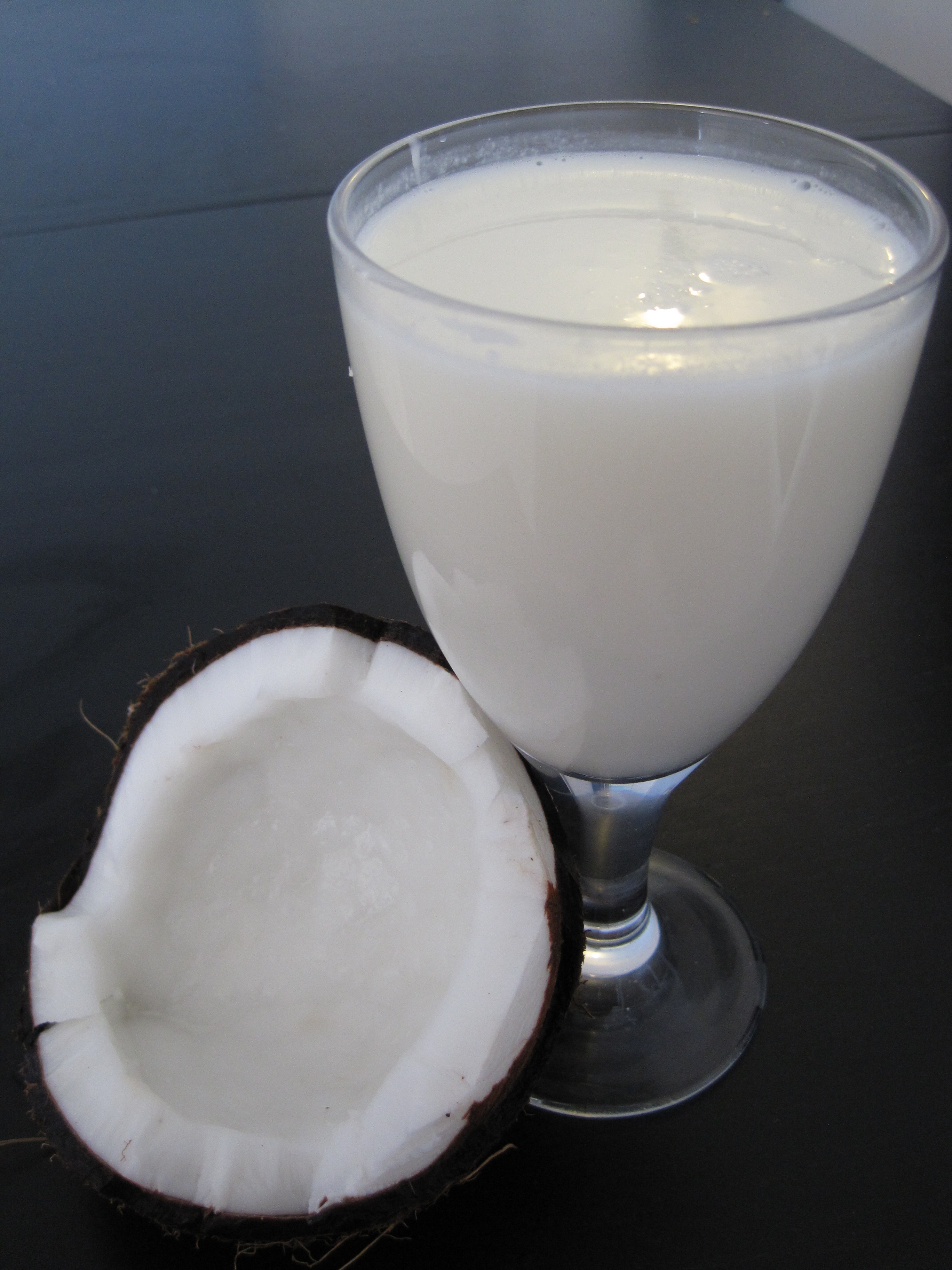
In Drinks, How-To on December 30, 2011 at amWhen I saw fresh coconuts on sale at the grocery store, I was inspired to make pina coladas from scratch. I must admit that removing the white coconut flesh from the brown shell was labour intensive, but it was a fun challenge.
How to Make a Gingerbread House (Ours Won 1st Place!)
In How-To, Other Desserts on December 21, 2011 at pmFor our company’s gingerbread house decorating contest, I teamed up with my friends, Erin and Andrea. Thanks to Erin, who has a family tradition of making gingerbread houses, we won first place by most popular vote! I had such a great time making my first gingerbread house, so I’ve shared what I learned about how to make and decorate a gingerbread house. For some inspiration, see some amazing and elaborate gingerbread houses here. You could even use the guidelines provided below to make mini gingerbread houses as mug decorations (see here). Happy holidays everyone!
How to Make Apple Cider
In Drinks, How-To on December 16, 2011 at pmI love apple cider and spiced hot apple cider. I’ve tried many different brands and the best apple cider I’ve ever had was homemade. Ed loved it too, and he’s usually indifferent when it comes to apple cider. This is an easy recipe for apple cider or spiced apple cider that can be served hot or cold. If desired, you could make this an alcoholic drink.
Strawberry Cupcake Recipes (and How to Fill a Cupcake)
In Cupcakes, How-To on July 13, 2011 at amIn June 2011, I took Ed strawberry picking for his first time. The farm had arranged for someone to play the banjo in the fields while people picked fruit. It was a fun day until I realized how quickly our beautiful, fresh strawberries were becoming too ripe. Then there was a mad rush to use them all up. (See how I freeze strawberries here.) So I made two different types of strawberry cupcakes, a strawberry flavoured swiss meringue buttercream, and a frozen strawberry pie (recipe here). I had planned to make strawberry popsicles too, but ran out of steam. Freshly picked strawberries make a huge difference to the flavour of strawberry desserts. They also allow you to reduce the amount of sugar that you use. Please adjust the sugar content of the recipes below based on the tartness of your strawberries.
How to Make Almond Milk (and a Comparison of Milk Alternatives)
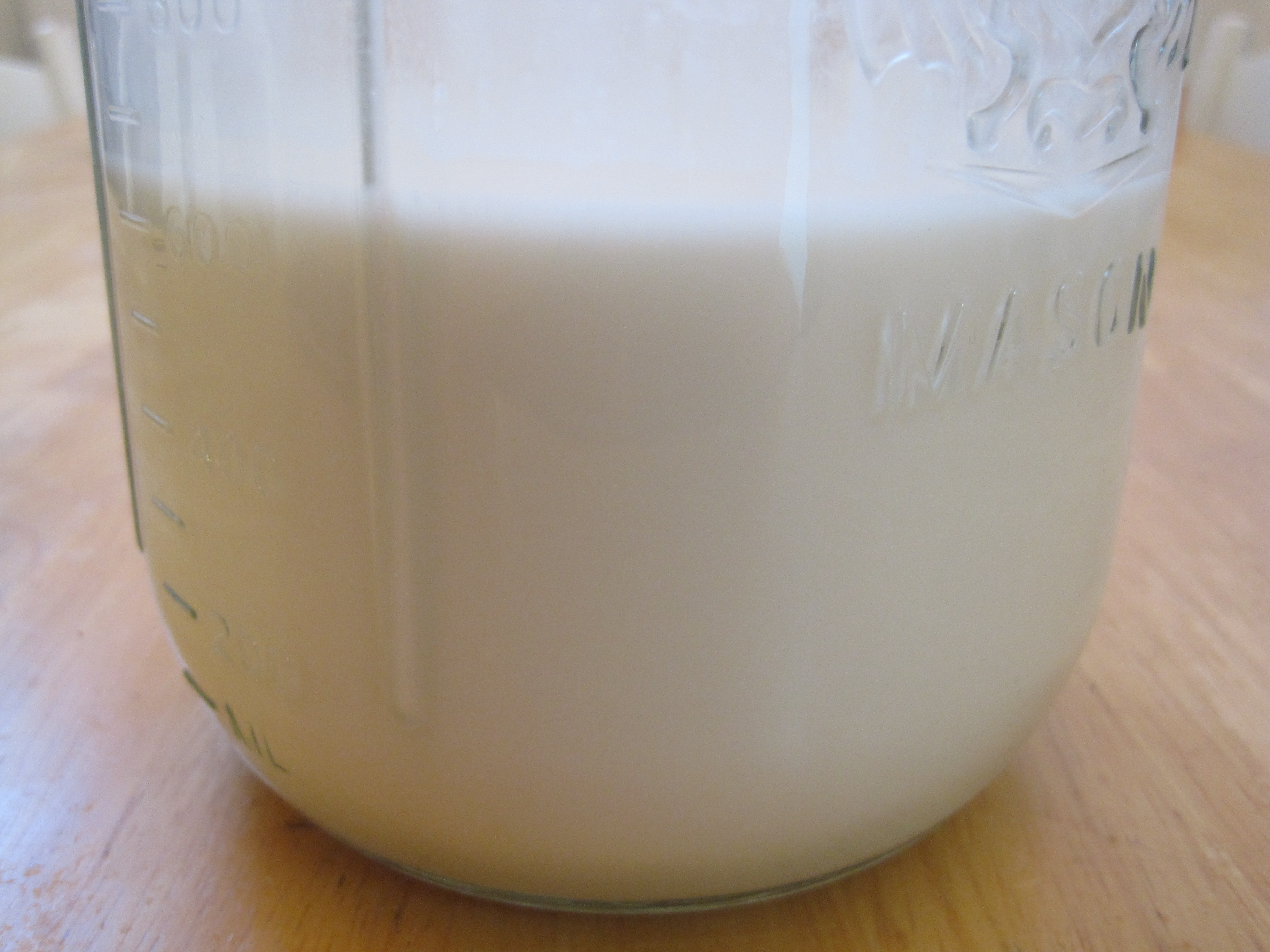
In How-To, Reviews on May 23, 2011 at amNormally, I’m a regular consumer of cow’s milk and Chinese soy milk drinks. But challenging myself with a month long detox diet (see post here) led me to explore non-dairy (casein free) and non-soy milks. The options include coconut milk, almond milk, rice milk, and hemp milk. I also heard of a potato based milk alternative, DariFree by Vance’s Foods that comes in a powder. I don’t like the taste of fresh coconut juice and coconut milk is too rich (for my tastes) for drinking, so this post will focus on a comparison between almond, rice, and hemp milk. Also, see below for homemade rice milk instructions and a very simple and versatile almond milk recipe with flavour variations.
How to Make Chinese Rice Wine
In Drinks, How-To, Other Asian Foods on April 14, 2011 at amCooking with Alison’s Grandma (Part 1 of 4)
We had a family reunion in NYC to celebrate my grandma’s 80th birthday in March, 2011. While I was there, I asked her to show me how she makes some of the family’s favourite dishes. This is how she makes Chinese rice wine. It is surprisingly easy to make!
How to for Indian Spices
In How-To, Indian on March 14, 2011 at amIndian food uses a lot of different spices and is rich in flavour. It can be made to be very healthy and there are many great vegetarian and vegan options (with a few minor substitutions). I enjoy Indian food, but I have always felt that Indian restaurants were overcharging for their food. My suspicions were confirmed when I started making Indian food at home; it turns out that many of the popular Indian dishes are ridiculously easy and cost effective to make! If only I could afford the money and space for a tandoor oven…
If you’ve never cooked Indian food before, don’t be intimidated by the long lists of ingredients, because once you’ve picked up a few spices, the cooking part is easy. Most of their meat dishes involve slow cooking, but I have created some fast-cook recipes that still taste authentic and won’t take hours to make. Another great thing about cooking Indian food is that most dishes freeze well, so you can make one large batch of curry at a fraction of the restaurant price, and freeze the leftovers for future meals.
Check out my recipes for Indian food! You can find them under the Recipe Index, under the Indian category.
Below, I have listed a few simple tips for using Indian spices that will hopefully encourage some of you to try making this cuisine at home. Please share your tips by posting a comment!
A Simple Way to Cool and Remove a Baked Tart From the Pan
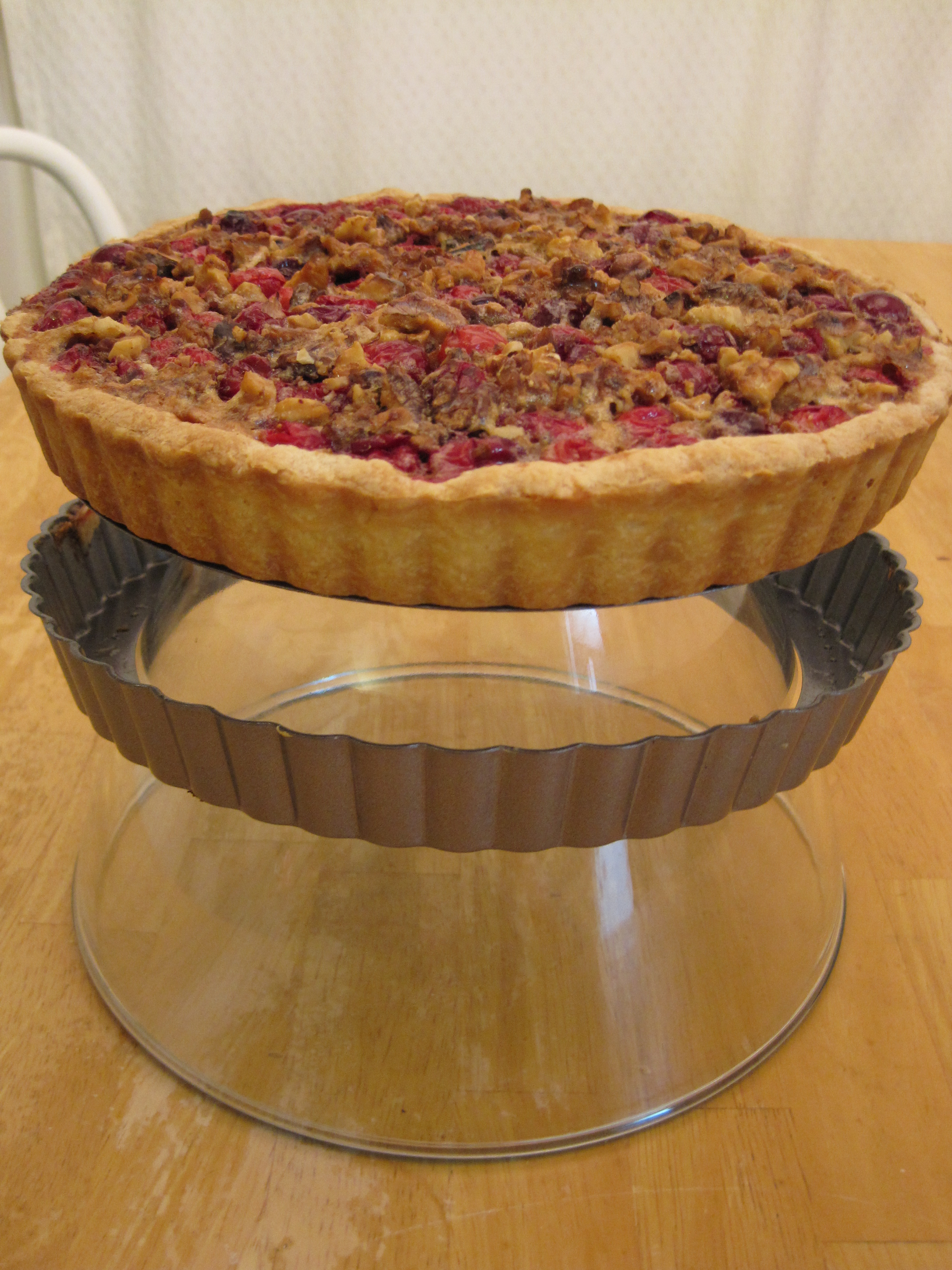
In How-To, Pies & Tarts on February 22, 2011 at amI learned this great tip from Martha Stewart’s Everyday Food magazine. Unfortunately, it only works on tart pans with a removable bottom. This single [simple] move will allow you to: 1. easily and safely remove a hot, baked tart from its pan; 2. cool your tart faster; and 3. prevent the crust from being over baked. Simply turn a flat bottomed, heatproof bowl upside down and set the tart pan on the bottom (now pointing upwards) of that bowl. See the photo below of my cranberry walnut tart cooling.
How To For Durian (Fruit)
In How-To on February 19, 2011 at amDurian fruit is definitely an acquired taste – one which can only be acquired if you can get over the acquired smell. They are heavy and covered with pointy, dangerous spikes. As you can see from the photos below, the fruit is shaped into several lobes. Each lobe contains soft, yellow flesh that encases one or two large, light brown, hard seeds. You can eat it as is (not the seed), or you can use it in smoothies and cakes, etc. In North America, you are most likely to find these frozen. Simply defrost the durian at room temperature and cut open. Opening a durian almost always involves injury, so be very careful. I get scratched (and bleed) several times simply transporting it from the grocery store to the house. I have provided tips on how to select a durian and photo instructions for how to open one. Notice that it’s my dad doing it. Thanks dad 🙂
How to Make Bread Flour and Cake Flour Substitutions
In How-To on February 5, 2011 at am
I have containers upon containers (upon containers) of different dry ingredients overcrowding my pantry, cupboards, and counter top. I’m embarrassed to admit that they’ve overflowed into closets and random corners of the rest of my apartment too. Just to name the different types of flour that I have: all purpose, bread, cake, whole wheat, stone ground whole wheat, organic whole wheat, semolina, rice, glutinous rice, potato, tapioca, corn (as well as corn meal), corn starch, wheat starch, and vital wheat gluten. I actually have a post card that says “I dream of storage space” on my fridge (photo above). 🙂 So when I discovered simple substitutions for bread flour and cake flour, I was overly excited! haha I love decluttering and now I’ll never have to buy cake or bread flour again. Recipes below.
How to use Tamarind
In How-To on January 10, 2011 at am
Tamarind is a pod-like fruit that is used in Southeast Asian and Indian cooking. It is also available candied. It has a hard, dry, light brown exterior and several hard seeds. The flesh is reddish brown in colour, slightly chewy in texture, and unique and tart in flavour. If you’re not familiar with tamarind, you might be surprised to learn that it is an ingredient in Worcestershire and HP steak sauce. On a side note, I like tamarind, but I dislike those sauces.
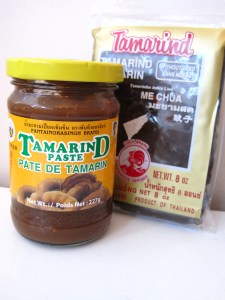
If you’re starting with fresh tamarind, discard the shell, the seeds, and the fibrous thread that runs along the outside of the flesh. Otherwise, tamarind can be purchased in other forms. There doesn’t seem to be a consistent use of terms that distinguish between those options. So depending on the source, it can be very confusing as to what a recipe actually calls for. Here is my general understanding: Wet tamarind or tamarind block is shown on the right side of the photo above. This is often simply labeled as “tamarind”. I have even seen this referred to as tamarind “paste”. But in general, tamarind paste, tamarind juice, and tamarind water usually refer to tamarind that has been prepared for cooking. To add further confusion, the term tamarind pulp has been used to describe both the flesh of tamarind (wet tamarind / tamarind block) and, contrarily, the parts of the tamarind that do not “dissolve” or mix with water.